
-
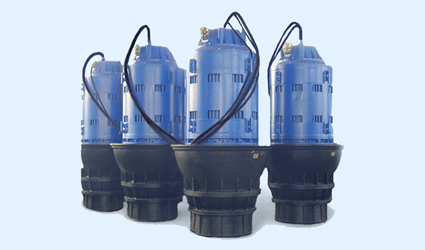
PRODUCTS
We adhere to independent innovation in science and technology and possess core technologies in the research and development, production and manufacturing of submersible pump products.
-

PROJECTS
Lanshen people are working hand in hand with friends from all walks of life to fulfill the corporate purpose of "creating a green environment and being responsible for the future", becoming the investment subject and partner of many projects, and constantly rewriting the history of China's water industry.
-

NEWS
Follow our updates in real time, from the known to the unknown, the exploration never stops
-
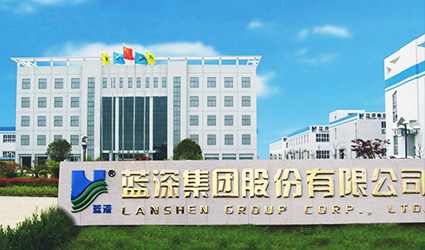
ABOUT
Founded in 1958, it is a national environmental protection enterprise and a high-tech enterprise. As a manufacturer of submersible sewage pumps and agitators

04
2025
-
05
Key Features to Look for in a Submersible Grinder Impeller Pump
Key Features to Look for in a Submersible Grinder Impeller Pump
When it comes to managing wastewater or handling solids in various industrial applications, submersible grinder impeller pumps stand out. Their unique design helps to reduce waste to manageable sizes, allowing for easier transportation and disposal. In this article, we will explore **key features** you should look for in these pumps and why they matter for your operations.
1. Understanding Submersible Grinder Impeller Pumps
Submersible grinder impeller pumps are specifically designed to handle both solid and liquid waste. Unlike traditional pumps, these units feature an impeller that grinds down solids into smaller particles, making it easier for the pump to move the waste through the system.
1.1 What Sets Them Apart?
The main advantage of a submersible grinder is its ability to function efficiently in environments where solids and liquids are mixed. This reduces the risk of clogging and ensures a smoother operation.
2. Key Features to Consider
When selecting a submersible grinder impeller pump, several features are paramount. Below are the critical characteristics that should guide your purchasing decision.
2.1 Impeller Design
The impeller design is crucial for the pump's efficiency. Look for pumps with multi-channel or vortex-style impellers which can handle a variety of waste types. A well-designed impeller will ensure minimal clogging and optimal flow rates.
Why Impeller Design Matters
A superior impeller design not only enhances grinding capabilities but also prolongs the lifespan of the pump by reducing wear and tear.
2.2 Motor Power and Efficiency
The motor power of the pump significantly impacts its performance. Choose a pump with a high-efficiency motor that consumes less energy while delivering the required output.
Assessing Power Requirements
Consider the specific needs of your operation. A pump with adjustable power settings can provide flexibility and adaptability for various conditions.
2.3 Material Quality
The materials used in the construction of the pump directly affect its durability and resistance to corrosion and wear. Look for pumps made from high-grade stainless steel or cast iron, as these materials can withstand harsh environments.
Impact of Material on Longevity
Pumps constructed with quality materials not only perform better but also require less maintenance over time, leading to reduced operational costs.
2.4 Seal Design and Protection
Sealing is vital for preventing leaks and protecting the motor from water ingress. Opt for pumps with double mechanical seals to ensure maximum protection against water and waste.
Importance of Effective Sealing
Effective sealing not only extends the pump's operational life but also minimizes the risk of catastrophic failures that could disrupt your operations.
2.5 Size and Portability
The size of the submersible grinder impeller pump can affect placement and mobility. Choose a model that suits your space and requirements. Compact designs are beneficial for installations with limited access.
Weight Considerations
Lightweight pumps are easier to handle and transport, offering convenience during installation or maintenance.
3. Performance Metrics to Evaluate
Understanding the performance metrics of a submersible grinder impeller pump is essential to gauge its efficiency and suitability for your needs.
3.1 Flow Rate
The flow rate represents how effectively the pump can move liquid and solids through the system. Ensure you select a pump that meets your flow requirements based on your specific application.
3.2 Head Pressure
Head pressure, or the height to which the pump can raise water, is another critical consideration. A pump with good head pressure capabilities will manage vertical transport effectively, which is essential in multi-story or deep installations.
3.3 Noise Levels
While not always a primary concern, noise levels can be important in residential or noise-sensitive areas. Look for pumps designed for quiet operation to maintain a peaceful environment.
4. Installation and Maintenance Tips
Proper installation and maintenance are vital to ensuring the longevity and efficiency of your submersible grinder impeller pump.
4.1 Installation Requirements
Ensure that your installation site meets all the necessary requirements for a submersible pump. Consider factors such as power supply, plumbing configuration, and accessibility for maintenance.
4.2 Regular Maintenance Practices
Implementing a regular maintenance schedule helps you catch potential issues early. Inspect seals, clean filters, and check the motor for signs of wear.
Signs Your Pump Needs Maintenance
Be vigilant for unusual noises, reduced flow rates, or leaks, as these can indicate underlying problems that require attention.
5. Selecting the Right Pump for Your Needs
Choosing the right submersible grinder impeller pump can seem daunting, but understanding your specific requirements makes the process easier.
5.1 Assess Your Waste Type
Different pumps are better suited for specific types of waste. Evaluate whether your needs lean toward solid handling or liquid transport.
5.2 Budget Considerations
While it may be tempting to go for cheaper options, consider the long-term value of investing in a quality pump. Balancing initial costs with performance can lead to significant savings over time.
6. Frequently Asked Questions (FAQs)
6.1 What is a submersible grinder impeller pump?
A submersible grinder impeller pump is designed to grind solids in wastewater, making it easier to transport and manage.
6.2 How do I maintain a submersible grinder pump?
Regular maintenance includes inspecting seals, cleaning filters, and checking the motor for any signs of wear.
6.3 What materials are best for these pumps?
High-grade stainless steel or cast iron are ideal materials for durability and corrosion resistance.
6.4 Can I use a submersible grinder pump for any type of waste?
While these pumps are versatile, they are best suited for wastewater that contains a mixture of solids and liquids.
6.5 How do I choose the right pump size?
Consider the capacity of your application and the space available for installation when selecting a pump size.
Conclusion
Selecting a submersible grinder impeller pump involves weighing various factors such as design, strength, and performance metrics. By focusing on these key features, you'll ensure that you invest in a reliable and efficient pump that meets your operational demands. Always prioritize high-quality materials, effective sealing, and proper maintenance to maximize your pump’s lifespan and performance. Making an informed choice will lead to smoother operations and peace of mind knowing your waste management needs are in capable hands.
More information

Email: info@lanshengroup.com
Email:trade@lanshengroup.com
Tel:86-025-57507802/86-13814194132
Address: NO.305,East Xiongzhou Rd,Liuhe,Nanjing City,Jiangsu Province


Copyright©2024 Nanjing lanshen Pump Corp.LTD All rights reserved.