
-
PRODUCTS
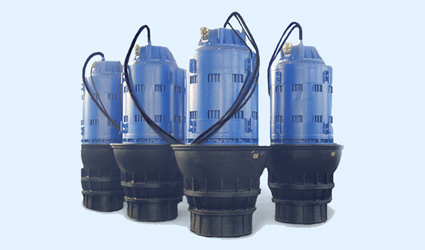
We adhere to independent innovation in science and technology and possess core technologies in the research and development, production and manufacturing of submersible pump products.
-

PROJECTS
Lanshen people are working hand in hand with friends from all walks of life to fulfill the corporate purpose of "creating a green environment and being responsible for the future", becoming the investment subject and partner of many projects, and constantly rewriting the history of China's water industry.
-

NEWS
Follow our updates in real time, from the known to the unknown, the exploration never stops
-
ABOUT
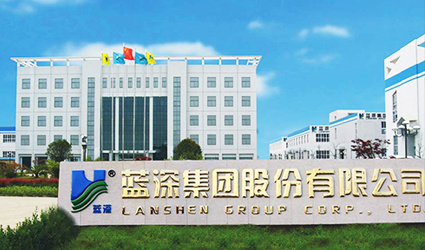
Founded in 1958, it is a national environmental protection enterprise and a high-tech enterprise. As a manufacturer of submersible sewage pumps and agitators

27
2026
-
02
The Essential Guide to Sewage Pumps: Understanding Their Role in Industrial Applications
A sewage pump typically consists of a motor, a pump body, and an impeller. When wastewater enters the pump, the impeller generates centrifugal force, pushing the sewage through the discharge pipe. Given their specific design, these pumps can handle solids and debris, which are commonly found in sewage. This capability differentiates sewage pumps from other types of pumps, making them essential for effective wastewater management.
In industrial settings, the applications of sewage pumps are varied. They are used in wastewater treatment plants, construction sites, and municipal sewage systems, among other places. Their ability to manage high volumes of sewage quickly and efficiently is crucial in preventing overflow and backups, which can lead to significant operational disruptions and environmental hazards.
When selecting a sewage pump, several factors must be taken into consideration. These include the pump’s capacity, head height, and the specific characteristics of the sewage being pumped. It is also important to assess the pump's material construction, ensuring it can withstand corrosive environments, as sewage can contain harmful substances.
Moreover, the choice of pump type—submersible or non-submersible—can impact both the installation process and operational efficiency. Submersible pumps are typically installed below the water level and are ideal for confined spaces, as they are more efficient and quieter than their non-submersible counterparts. On the other hand, non-submersible pumps often require additional infrastructure for installation but can be easier to maintain.
Regular maintenance of sewage pumps is crucial to ensure long-term reliability and efficiency. This includes periodic inspections, cleaning, and monitoring for wear and tear. Proper maintenance not only extends the lifespan of the pump but also enhances its performance, reducing the likelihood of unexpected failures.
In conclusion, sewage pumps play a critical role in managing industrial wastewater effectively. Understanding their design, applications, and maintenance requirements is essential for professionals looking to optimize their waste management systems. By making informed choices regarding sewage pumps, industries can ensure operational efficiency and compliance with environmental regulations.
More information

Email: info@lanshengroup.com
Email:trade@lanshengroup.com
Tel:86-025-57507802/86-13814194132
Address: NO.305,East Xiongzhou Rd,Liuhe,Nanjing City,Jiangsu Province


Copyright©2024 Nanjing lanshen Pump Corp.LTD All rights reserved.