
-
PRODUCTS
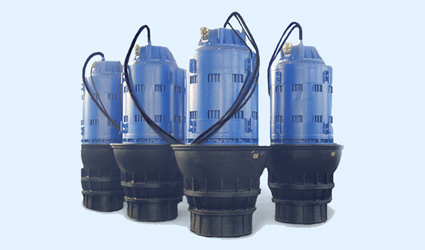
We adhere to independent innovation in science and technology and possess core technologies in the research and development, production and manufacturing of submersible pump products.
-

PROJECTS
Lanshen people are working hand in hand with friends from all walks of life to fulfill the corporate purpose of "creating a green environment and being responsible for the future", becoming the investment subject and partner of many projects, and constantly rewriting the history of China's water industry.
-

NEWS
Follow our updates in real time, from the known to the unknown, the exploration never stops
-
ABOUT
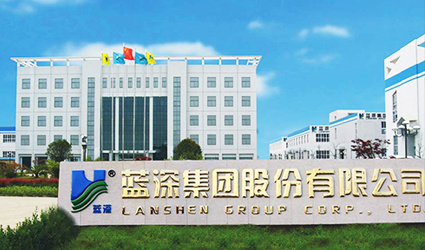
Founded in 1958, it is a national environmental protection enterprise and a high-tech enterprise. As a manufacturer of submersible sewage pumps and agitators

23
2026
-
04
Maximizing Efficiency: The Advantages of Using Horizontal Multi Grade Pumps in Chemical Processing
Maximizing Efficiency: The Advantages of Using Horizontal Multi Grade Pumps in Chemical Processing
Table of Contents
- 1. Introduction to Horizontal Multi Grade Pumps
- 2. What Are Horizontal Multi Grade Pumps?
- 3. Key Benefits of Horizontal Multi Grade Pumps in Chemical Processing
- 3.1 Enhanced Efficiency and Performance
- 3.2 Versatility in Applications
- 3.3 Reliability and Durability
- 3.4 Cost-Effectiveness Over Time
- 4. Applications of Horizontal Multi Grade Pumps in Chemical Processing
- 5. Maintenance Tips for Horizontal Multi Grade Pumps
- 6. Comparison with Other Pump Types
- 7. Future Trends in Pump Technology
- 8. FAQs about Horizontal Multi Grade Pumps
- 9. Conclusion
1. Introduction to Horizontal Multi Grade Pumps
In the realm of **chemical processing**, efficiency, reliability, and cost-effectiveness are paramount. One of the most innovative solutions that have emerged in recent years is the **horizontal multi-grade pump**. These pumps are designed to handle a variety of fluids, making them indispensable in industries that require precision and performance. This article explores the numerous advantages of using horizontal multi-grade pumps in chemical processing, examining why they are becoming a preferred choice among manufacturers worldwide.
2. What Are Horizontal Multi Grade Pumps?
Horizontal multi-grade pumps are specialized centrifugal pumps that have multiple impellers stacked in a horizontal configuration. These pumps are engineered to handle various liquids, including corrosive and viscous materials commonly encountered in **chemical processing**. The design allows for high flow rates and increased efficiency, making them suitable for complex industrial applications.
Understanding the Design Features
The design of horizontal multi-grade pumps includes critical components such as:
- **Impellers:** Each impeller is responsible for moving the fluid efficiently through the pump. The multi-stage design allows for increased head and flow capacity.
- **Casing:** The casing helps in reducing wear on internal components and enhances the pump's overall durability.
- **Suction and Discharge Ports:** Positioned on the sides, these ports facilitate easy connection to piping systems, ensuring effective fluid transfer.
3. Key Benefits of Horizontal Multi Grade Pumps in Chemical Processing
3.1 Enhanced Efficiency and Performance
One of the most notable advantages of horizontal multi-grade pumps is their **enhanced efficiency**. By utilizing multiple impellers, these pumps can achieve higher pressures and flow rates compared to single-stage pumps. This efficiency translates into reduced energy consumption, which can significantly lower operational costs in the long run.
3.2 Versatility in Applications
Horizontal multi-grade pumps are remarkably versatile. They can handle various fluids, from clean water to highly corrosive chemicals, making them suitable for a wide range of applications in chemical processing, including:
- **Transfer of acids and bases**
- **Circulation of cooling water**
- **Injection of additives**
This versatility allows companies to optimize their operations and adapt to changing production needs seamlessly.
3.3 Reliability and Durability
In industrial settings, reliability is crucial. Horizontal multi-grade pumps are designed for durability, featuring robust materials resistant to wear and corrosion. With proper maintenance, these pumps can operate efficiently for long periods, minimizing downtime and maintenance costs. Their reliability is often backed by extensive warranties, ensuring that businesses can trust these pumps to perform under demanding conditions.
3.4 Cost-Effectiveness Over Time
While the initial investment in horizontal multi-grade pumps may be higher than traditional pump types, their **cost-effectiveness** becomes evident over time. With lower energy consumption, reduced maintenance needs, and longer lifespans, businesses can expect a favorable return on investment. Additionally, the increased efficiency often leads to higher productivity, allowing for more significant output without incurring additional costs.
4. Applications of Horizontal Multi Grade Pumps in Chemical Processing
Horizontal multi-grade pumps find applications across various sectors in chemical processing. Some of the common applications include:
- **Chemical Transfer:** Efficiently transferring chemicals between processes is vital in chemical plants. These pumps enable smooth flow, minimizing the risk of contamination.
- **Water Treatment:** In water treatment facilities, horizontal multi-grade pumps help in the circulation and distribution of water, ensuring that treatment processes are effective.
- **Oil and Gas Industry:** These pumps are essential for transporting crude oil and refined products, demonstrating their versatility across different sectors.
5. Maintenance Tips for Horizontal Multi Grade Pumps
To ensure optimal performance and longevity of horizontal multi-grade pumps, proper maintenance is crucial. Here are some essential tips:
- **Regular Inspections:** Conduct routine inspections to identify any wear or damage to components.
- **Lubrication:** Ensure that all moving parts are adequately lubricated to minimize friction and wear.
- **Seal Checks:** Regularly check seals for leaks and replace them as needed to maintain pump efficiency.
- **Cleaning:** Keep the pump free from debris and contaminants to avoid operational issues.
6. Comparison with Other Pump Types
When choosing a pump for chemical processing, it's essential to compare horizontal multi-grade pumps with other types, such as vertical and diaphragm pumps.
Horizontal vs. Vertical Pumps
Horizontal pumps typically offer higher flow rates and are easier to maintain than vertical pumps, which may require more complex alignment and installation.
Horizontal vs. Diaphragm Pumps
While diaphragm pumps are excellent for handling viscous fluids, horizontal multi-grade pumps provide superior efficiency and are better suited for high-flow applications.
7. Future Trends in Pump Technology
As industries evolve, pump technology is continually advancing. Key trends include:
- **Smart Pump Systems:** Integration of IoT technology allows for real-time monitoring and predictive maintenance, improving efficiency.
- **Energy-Efficient Designs:** New materials and designs are focusing on reducing energy consumption further, aligning with global sustainability goals.
- **Advanced Control Systems:** Enhanced control systems enable better management of flow rates and pressures, optimizing performance across various applications.
8. FAQs about Horizontal Multi Grade Pumps
What is the primary advantage of horizontal multi-grade pumps?
The primary advantage is their enhanced efficiency and ability to handle a wide range of fluids, making them suitable for various industrial applications.
How do I maintain a horizontal multi-grade pump?
Regular inspections, lubrication of moving parts, checking seals for leaks, and keeping the pump clean are essential maintenance practices.
Can horizontal multi-grade pumps be used for corrosive liquids?
Yes, they are designed to handle corrosive and viscous materials, making them suitable for chemical processing.
What is the lifespan of a horizontal multi-grade pump?
With proper maintenance, these pumps can have a long lifespan, often exceeding 15-20 years depending on usage and environmental conditions.
Are horizontal multi-grade pumps more expensive than traditional pumps?
While they may have a higher initial cost, their efficiency and durability often lead to lower long-term operational costs.
9. Conclusion
Horizontal multi-grade pumps have established themselves as a vital component in the field of chemical processing. Their **enhanced efficiency**, **versatility**, and **cost-effectiveness** make them an ideal choice for various industrial applications. By understanding their benefits and implementing proper maintenance practices, companies can harness their full potential, ensuring smooth and efficient operations. As technology continues to advance, these pumps will undoubtedly play a crucial role in shaping the future of chemical processing and other industries.
More information

Email: info@lanshengroup.com
Email:trade@lanshengroup.com
Tel:86-025-57507802/86-13814194132
Address: NO.305,East Xiongzhou Rd,Liuhe,Nanjing City,Jiangsu Province


Copyright©2024 Nanjing lanshen Pump Corp.LTD All rights reserved.