-
PRODUCTS
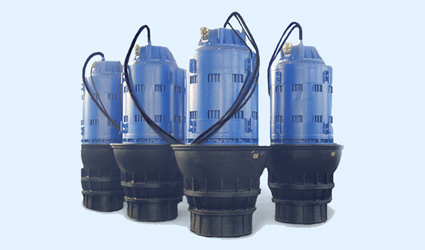
We adhere to independent innovation in science and technology and possess core technologies in the research and development, production and manufacturing of submersible pump products.
-

PROJECTS
Lanshen people are working hand in hand with friends from all walks of life to fulfill the corporate purpose of "creating a green environment and being responsible for the future", becoming the investment subject and partner of many projects, and constantly rewriting the history of China's water industry.
-

NEWS
Follow our updates in real time, from the known to the unknown, the exploration never stops
-
ABOUT
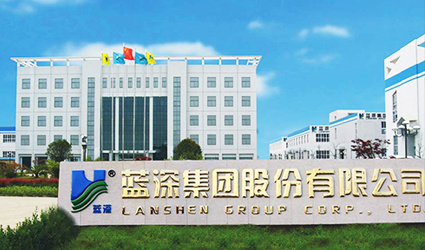
Founded in 1958, it is a national environmental protection enterprise and a high-tech enterprise. As a manufacturer of submersible sewage pumps and agitators

13
2026
-
05
Exploring Different Types of Sewage Pumps for Industrial Use: A Comprehensive Guide
Exploring Different Types of Sewage Pumps for Industrial Use
Table of Contents
- Introduction to Sewage Pumps in Industrial Applications
- What is a Sewage Pump?
- The Importance of Sewage Pumps in Industrial Settings
- Types of Sewage Pumps
- Submersible Sewage Pumps
- Centrifugal Sewage Pumps
- Diaphragm Sewage Pumps
- Grinder Sewage Pumps
- Peristaltic Sewage Pumps
- How to Choose the Right Sewage Pump for Your Needs
- Installation and Maintenance of Sewage Pumps
- Common Issues with Sewage Pumps and Their Solutions
- Conclusion
- FAQs about Sewage Pumps
Introduction to Sewage Pumps in Industrial Applications
In the realm of industrial operations, efficient wastewater management cannot be overlooked. **Sewage pumps** play a crucial role in the removal of wastewater from basements, pits, and other areas where gravity drainage is not feasible. Understanding the different types of sewage pumps available and their specific applications can significantly enhance operational efficiency and reduce downtime.
What is a Sewage Pump?
A sewage pump is a type of pump designed specifically to transport wastewater and sewage from one location to another. These pumps are often employed when sewage must be moved against the force of gravity, making them essential in many industrial setups. Typically, sewage pumps can handle solid waste and fibers that would otherwise clog standard pumps.
The Importance of Sewage Pumps in Industrial Settings
Sewage pumps are vital for several reasons:
- **Preventing Flooding**: By efficiently transferring wastewater, sewage pumps help prevent flooding and water damage within industrial facilities.
- **Health and Safety**: Proper wastewater management mitigates health risks associated with untreated sewage, ensuring a safer working environment.
- **Regulatory Compliance**: Many industries must adhere to strict regulations regarding wastewater disposal, making reliable sewage pumps indispensable.
Types of Sewage Pumps
Understanding the various types of sewage pumps available is crucial for making an informed choice. Below, we explore the most common types used in industrial applications.
Submersible Sewage Pumps
Submersible sewage pumps are designed to operate submerged in liquid. They feature a hermetically sealed motor that prevents liquid from entering the motor housing. Key features include:
- Ability to pump large volumes of wastewater efficiently.
- Built-in overload protection to safeguard against motor damage.
- Durable construction, often made from corrosion-resistant materials.
**Applications**: Commonly used in wastewater treatment plants, construction sites, and areas prone to flooding.
Centrifugal Sewage Pumps
Centrifugal pumps utilize rotational energy to move sewage. They are characterized by:
- Simple design and ease of maintenance.
- Ability to handle various types of wastewater, including those with suspended solids.
- High efficiency in transferring liquids over long distances.
**Applications**: Widely used in municipal wastewater treatment facilities and industrial processes requiring continuous flow.
Diaphragm Sewage Pumps
Diaphragm pumps employ a diaphragm to create a suction effect, allowing them to move sewage effectively. They offer:
- Excellent handling of viscous fluids and slurries.
- Self-priming capabilities, making them suitable for various applications.
- Minimal maintenance requirements due to fewer moving parts.
**Applications**: Suitable for pumping thick sludge and wastewater with high solid content.
Grinder Sewage Pumps
Grinder pumps are designed to grind solid waste into smaller particles before pumping it. Their features include:
- Ability to handle heavy solids that would typically block traditional pumps.
- Built-in grinders that reduce the size of waste, enabling easier transportation.
- Durable construction to withstand harsh conditions.
**Applications**: Ideal for residential applications and commercial settings where sewage must be pumped over long distances.
Peristaltic Sewage Pumps
Peristaltic pumps use a series of rollers to compress a flexible tube, creating a pumping action. They are known for:
- Gentle handling of sensitive fluids without damaging them.
- Easy maintenance, as the only part that needs regular replacement is the tube.
- Versatility in pumping a wide range of substances, including chemicals and sludge.
**Applications**: Frequently used in chemical processing and wastewater treatment industries.
How to Choose the Right Sewage Pump for Your Needs
Selecting the appropriate sewage pump is vital for ensuring optimal performance. Consider the following factors:
1. **Type of Wastewater**: Assess the nature of the wastewater you need to pump. Different pumps handle various solids and viscosity levels.
2. **Flow Rate Requirements**: Determine the volume of wastewater to be pumped and the required flow rate to ensure adequate performance.
3. **Head Height**: Evaluate the vertical distance the sewage must be lifted. Different pumps offer varying head height capabilities.
4. **Power Source**: Identify whether you need an electric or gas-powered pump, based on your setup and availability of resources.
5. **Budget**: Factor in initial costs, but also consider long-term maintenance and operational expenses.
Installation and Maintenance of Sewage Pumps
Proper installation and maintenance are critical for the longevity and efficiency of sewage pumps.
Installation
- **Location**: Select a suitable location that allows for proper drainage and minimizes potential flooding.
- **Power Supply**: Ensure a reliable power source is accessible to the pump, considering backup options for critical systems.
- **Pipe Configuration**: Design the piping layout to minimize bends and turns, which can impede flow.
Maintenance
- **Regular Inspections**: Conduct routine checks to identify issues before they escalate, focusing on wear and tear.
- **Cleaning**: Remove debris and obstructions regularly to prevent clogs.
- **Lubrication**: Keep mechanical parts well-lubricated to reduce friction and wear.
Common Issues with Sewage Pumps and Their Solutions
Despite their reliability, sewage pumps can encounter issues. Here are some common problems and their solutions:
1. **Pump Won't Start**: Check the power source and ensure all connections are secure.
2. **Frequent Overheating**: Inspect for blockages and verify that the pump operates within its rated parameters.
3. **Unpleasant Odors**: Regular maintenance and cleaning can mitigate odors caused by stagnant wastewater.
4. **Excessive Noise**: Abnormal noises may indicate mechanical issues; inspect the pump for wear and potential failures.
Conclusion
In the industrial sector, understanding the different types of sewage pumps is essential for ensuring efficient wastewater management. By selecting the right pump type based on your specific needs and maintaining it properly, you can enhance operational efficiency, reduce downtime, and comply with regulatory standards. Whether you opt for submersible, centrifugal, diaphragm, grinder, or peristaltic pumps, investing in quality sewage pumps will be a crucial component of your wastewater management strategy.
FAQs about Sewage Pumps
1. What is the lifespan of a sewage pump?
Typically, sewage pumps can last anywhere from 5 to 15 years, depending on usage, maintenance, and quality.
2. Can sewage pumps handle solid waste?
Yes, most sewage pumps are specifically designed to handle solid waste and can efficiently transport it through sewage systems.
3. How often should I maintain my sewage pump?
Regular maintenance is recommended at least once a year, with more frequent inspections based on usage and environmental conditions.
4. What factors influence the cost of sewage pumps?
Factors such as pump type, brand, capacity, and additional features determine the overall cost of sewage pumps.
5. Are there any regulations concerning sewage pump installation?
Yes, industrial facilities must adhere to local and state regulations regarding sewage disposal and pump installation. Always check for compliance requirements in your area.
More information

Email: info@lanshengroup.com
Email:trade@lanshengroup.com
Tel:86-025-57507802/86-13814194132
Address: NO.305,East Xiongzhou Rd,Liuhe,Nanjing City,Jiangsu Province


Copyright©2024 Nanjing lanshen Pump Corp.LTD All rights reserved.