
-
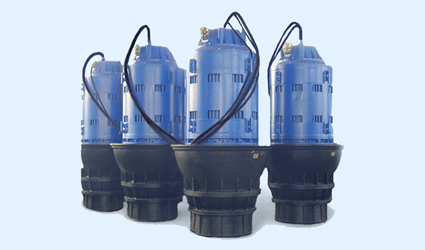
PRODUCTS
We adhere to independent innovation in science and technology and possess core technologies in the research and development, production and manufacturing of submersible pump products.
-

PROJECTS
Lanshen people are working hand in hand with friends from all walks of life to fulfill the corporate purpose of "creating a green environment and being responsible for the future", becoming the investment subject and partner of many projects, and constantly rewriting the history of China's water industry.
-

NEWS
Follow our updates in real time, from the known to the unknown, the exploration never stops
-
ABOUT
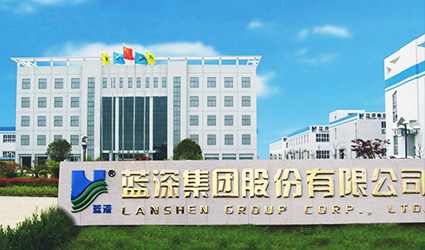
Founded in 1958, it is a national environmental protection enterprise and a high-tech enterprise. As a manufacturer of submersible sewage pumps and agitators

17
2025
-
03
The Advantages of Using Single Vane Impeller Sewage Pumps in Wastewater Management
The Advantages of Using Single Vane Impeller Sewage Pumps in Wastewater Management
Table of Contents
- Introduction
- What are Single Vane Impeller Sewage Pumps?
- Why Use a Single Vane Impeller Design?
- Key Advantages of Single Vane Impeller Sewage Pumps
- Efficiency and Performance
- Cost-Effectiveness
- Maintenance and Reliability
- Applications in Industrial Wastewater Management
- Conclusion
- FAQs
Introduction
In the realm of **wastewater management**, the choice of the right pumping system is crucial for operational efficiency and sustainability. Among various options available, **single vane impeller sewage pumps** have gained popularity due to their unique design and functionality. This article delves into the advantages of using these pumps, highlighting their critical role in modern wastewater management systems.
What are Single Vane Impeller Sewage Pumps?
Single vane impeller sewage pumps are specifically designed to handle sewage and wastewater, utilizing a single large vane to create suction and propel fluids. Unlike multi-vane designs, the single vane structure reduces the number of moving parts, allowing for streamlined operation. This design is particularly advantageous in environments where solid waste and debris are commonly present.
Understanding the Mechanics of Single Vane Pumps
The mechanics behind single vane impeller pumps involve a simple yet effective principle: as the impeller rotates, it creates a low-pressure zone at its center, drawing in sewage and pushing it through the discharge outlet. This mechanism is particularly effective in environments with varying flow rates and debris-laden liquids.
Why Use a Single Vane Impeller Design?
The single vane impeller design offers several advantages over traditional multi-vane pumps. The simplicity of the design results in fewer components, which translates to less wear and tear over time, leading to increased longevity. Moreover, the single vane is adept at handling solids, making it a go-to choice for **wastewater treatment facilities** and **industrial applications**.
Optimal Flow Characteristics
One of the primary reasons for opting for a single vane impeller design is its ability to maintain consistent flow rates. The design minimizes turbulence, allowing for a smoother passage of wastewater while effectively handling larger solids and debris.
Key Advantages of Single Vane Impeller Sewage Pumps
The distinct benefits of single vane impeller sewage pumps contribute to their growing use in **wastewater management**. Below are some of the key advantages:
1. Enhanced Efficiency
Single vane impeller pumps deliver excellent hydraulic efficiency, reducing energy consumption and operational costs. Their design allows for optimal flow characteristics, ensuring that the pump operates at peak performance without unnecessary energy expenditure.
2. Superior Solids Handling
These pumps excel in environments where solids are present in wastewater. The single vane design effectively manages clogs and blockages, which can hinder the performance of traditional pumps with multiple vanes.
3. Reduced Maintenance Requirements
With fewer moving parts, single vane impeller pumps require less routine maintenance compared to their multi-vane counterparts. This not only saves time and labor costs but also enhances the overall reliability of the system.
4. Cost-Effectiveness
The initial investment in single vane impeller sewage pumps is often offset by their longevity and low operational costs. Reduced energy consumption and maintenance requirements result in significant savings over the pump's lifespan.
5. Versatile Applications
Single vane impeller pumps are versatile and can be utilized in various applications, ranging from municipal wastewater treatment plants to industrial settings, where they effectively manage sewage, sludge, and other challenging fluids.
Efficiency and Performance
The operational efficiency of single vane impeller sewage pumps significantly impacts wastewater management systems. Several factors contribute to their superior performance:
Hydraulic Performance
The hydraulic design of single vane impeller pumps allows for effective handling of varying flow rates, ensuring consistent performance even in fluctuating conditions. This adaptability is crucial in wastewater management, where flow rates can change rapidly.
Energy Consumption
By optimizing the design for hydraulic efficiency, single vane impeller pumps minimize energy consumption. This not only contributes to lower operational costs but also supports sustainability initiatives by reducing the carbon footprint of wastewater treatment facilities.
Cost-Effectiveness
Investing in single vane impeller sewage pumps presents a cost-effective solution for wastewater management. The initial capital cost is often outweighed by long-term savings in energy and maintenance.
Long-Term Savings
The reduced maintenance needs of single vane pumps lead to lower labor costs and downtime, ensuring that facilities can operate smoothly. Additionally, their energy-efficient design further contributes to overall cost savings, making them an attractive option for budget-conscious organizations.
Maintenance and Reliability
Maintenance is a critical aspect of any pumping system, and single vane impeller sewage pumps shine in this area.
Low Maintenance Requirements
With fewer components, these pumps require less frequent inspection and servicing, freeing maintenance teams to focus on other critical tasks. Regular checks and simple upkeep can ensure that the pump operates efficiently throughout its lifespan.
High Reliability
The robust construction and reliable design of single vane impeller pumps make them less susceptible to breakdowns. This reliability is crucial in preventing costly downtime, particularly in industrial applications where wastewater systems must remain operational at all times.
Applications in Industrial Wastewater Management
Single vane impeller sewage pumps are utilized in various sectors, showcasing their versatility and effectiveness in managing wastewater.
Municipal Wastewater Treatment Plants
In municipal settings, these pumps efficiently manage sewage and wastewater, ensuring that treatment processes are smooth and effective. Their ability to handle solid waste makes them ideal for this application.
Industrial Applications
In industrial contexts, single vane impeller pumps are often employed to manage wastewater from food processing plants, chemical manufacturing facilities, and other industries that generate liquid waste. Their robustness and efficiency make them suitable for challenging environments.
Agricultural Wastewater Management
Agricultural operations also benefit from single vane impeller pumps, particularly in managing runoff and wastewater from livestock operations. Their solid-handling capabilities ensure effective management of agricultural waste.
Conclusion
In conclusion, **single vane impeller sewage pumps** play a pivotal role in optimizing wastewater management systems. Their efficiency, cost-effectiveness, and reliability make them a preferred choice in both municipal and industrial applications. By investing in these pumps, organizations can enhance their wastewater management processes, reduce operational costs, and support sustainable practices in the industry.
FAQs
1. What is the main advantage of single vane impeller sewage pumps?
The main advantage lies in their efficient design that allows for superior solids handling, resulting in reduced maintenance and operational costs.
2. Are single vane impeller pumps suitable for all types of wastewater?
Yes, they are versatile and capable of handling various types of wastewater, including those containing solids and debris.
3. How often should single vane pumps be maintained?
Due to their low maintenance design, routine checks are typically sufficient, focusing on basic upkeep and inspections.
4. Can single vane impeller pumps handle varying flow rates?
Absolutely, their hydraulic design allows them to maintain consistent performance, even with fluctuating flow rates.
5. What industries benefit the most from single vane impeller pumps?
Municipal wastewater treatment plants, industrial facilities, and agricultural operations are among the primary industries that benefit from these pumps.
More information

Email: info@lanshengroup.com
Email:trade@lanshengroup.com
Tel:86-025-57507802/86-13814194132
Address: NO.305,East Xiongzhou Rd,Liuhe,Nanjing City,Jiangsu Province


Copyright©2024 Nanjing lanshen Pump Corp.LTD All rights reserved.