
-
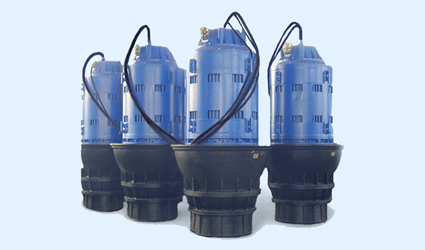
PRODUCTS
We adhere to independent innovation in science and technology and possess core technologies in the research and development, production and manufacturing of submersible pump products.
-

PROJECTS
Lanshen people are working hand in hand with friends from all walks of life to fulfill the corporate purpose of "creating a green environment and being responsible for the future", becoming the investment subject and partner of many projects, and constantly rewriting the history of China's water industry.
-

NEWS
Follow our updates in real time, from the known to the unknown, the exploration never stops
-
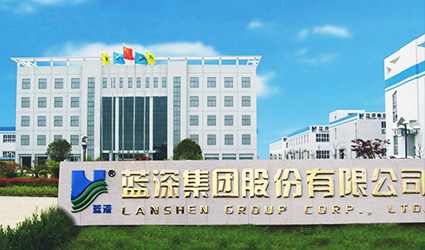
ABOUT
Founded in 1958, it is a national environmental protection enterprise and a high-tech enterprise. As a manufacturer of submersible sewage pumps and agitators

29
2025
-
11
Understanding Sewage Pumps: Essential Insights for Industrial Applications
One of the primary functions of a sewage pump is to handle wastewater that contains solids and debris. Unlike standard water pumps, sewage pumps are engineered to manage not only liquids but also semi-solid materials, making them ideal for sewage and effluent applications. The pump's design usually includes a macerator or grinder that breaks down solids into smaller particles before they are pumped out, preventing clogs and ensuring smooth operation.
There are two main types of sewage pumps: submersible and pedestal pumps. Submersible pumps are designed to operate underwater, making them suitable for deeper sewage basins. They are typically more efficient and quieter than their pedestal counterparts. On the other hand, pedestal pumps are positioned above the sewage level, which allows for easier maintenance and repair. Choosing the right type depends on your specific application, space constraints, and maintenance preferences.
When it comes to installation, proper positioning and alignment are critical to ensure the sewage pump operates efficiently. The pump should be placed at the correct depth to prevent air locks and facilitate optimal liquid flow. Additionally, it is essential to ensure that the discharge pipe is adequately sized and equipped with a check valve to prevent backflow.
Regular maintenance of sewage pumps is vital to extend their lifespan and prevent unexpected failures. Key maintenance practices include checking for wear and tear on components, cleaning the inlet screen, and inspecting electrical connections. It is also advisable to schedule professional servicing to identify potential issues before they escalate into costly repairs.
In conclusion, sewage pumps are indispensable in managing wastewater in industrial environments. By understanding their functions, types, and maintenance requirements, you can ensure that your sewage pump operates efficiently and reliably. If you need further information or expert advice on sewage pump applications in your industry, don't hesitate to reach out to professionals in the field.
More information

Email: info@lanshengroup.com
Email:trade@lanshengroup.com
Tel:86-025-57507802/86-13814194132
Address: NO.305,East Xiongzhou Rd,Liuhe,Nanjing City,Jiangsu Province


Copyright©2024 Nanjing lanshen Pump Corp.LTD All rights reserved.