
-
PRODUCTS
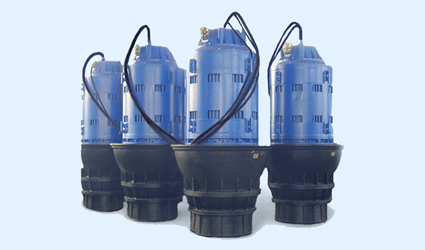
We adhere to independent innovation in science and technology and possess core technologies in the research and development, production and manufacturing of submersible pump products.
-

PROJECTS
Lanshen people are working hand in hand with friends from all walks of life to fulfill the corporate purpose of "creating a green environment and being responsible for the future", becoming the investment subject and partner of many projects, and constantly rewriting the history of China's water industry.
-

NEWS
Follow our updates in real time, from the known to the unknown, the exploration never stops
-
ABOUT
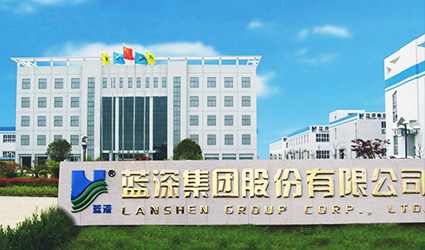
Founded in 1958, it is a national environmental protection enterprise and a high-tech enterprise. As a manufacturer of submersible sewage pumps and agitators

04
2025
-
12
The Importance of Choosing Quality Materials for Horizontal Multi Grade Pumps
The Importance of Choosing Quality Materials for Horizontal Multi Grade Pumps
Introduction to Horizontal Multi Grade Pumps
Horizontal multi-grade pumps are essential components in various industrial applications, facilitating the transfer of fluids across numerous sectors, such as oil and gas, chemical processing, and water treatment. Selecting the right materials for these pumps guarantees not only their operational efficiency but also their longevity in demanding environments.
In this article, we will explore why quality materials are paramount when it comes to horizontal multi-grade pumps, the implications of poor material selection, and best practices for making informed choices.
Understanding Horizontal Multi Grade Pumps
What Are Horizontal Multi Grade Pumps?
Horizontal multi-grade pumps are designed to handle a broad spectrum of fluids, including clean water, corrosive chemicals, and viscous liquids. These pumps operate using a series of impellers and stages that increase the pressure and flow rate of the fluid being pumped. Their horizontal design allows for easier installation and maintenance, making them a preferred choice in many industries.
Key Applications of Horizontal Multi Grade Pumps
These pumps play a crucial role in several applications, such as:
- **Water Supply and Treatment:** Ensuring consistent and reliable water flow in municipal systems.
- **Chemical Processing:** Handling a variety of chemicals safely and efficiently.
- **Oil and Gas Extraction:** Facilitating the transportation of crude oil and natural gas.
- **HVAC Systems:** Providing heating and cooling in commercial buildings.
Why Quality Materials Matter
The Role of Material Selection in Pump Performance
The material used in the construction of horizontal multi-grade pumps directly influences their functionality and reliability. Quality materials improve resistance to wear, corrosion, and temperature fluctuations, which can otherwise lead to pump failure. Therefore, investing in high-grade materials can save organizations from costly downtime and repairs.
Impact of Poor Material Choices
Using inferior materials can have dire consequences, including:
- **Increased Maintenance Costs:** Frequent breakdowns require more maintenance, leading to increased operational costs.
- **Reduced Efficiency:** Poor materials can diminish pump efficiency, resulting in higher energy consumption.
- **Shorter Lifespan:** Inferior materials are often unable to withstand the rigors of industrial environments, leading to premature pump failure.
Key Materials Used in Horizontal Multi Grade Pumps
Metals: The Backbone of Pump Design
Metals such as stainless steel, cast iron, and bronze are commonly used in the construction of horizontal multi-grade pumps. Each has its specific properties that cater to different applications:
- **Stainless Steel:** Renowned for its corrosion resistance, stainless steel is ideal for chemically aggressive environments.
- **Cast Iron:** Known for its strength and durability, cast iron is often used for larger pumps handling water and non-corrosive fluids.
- **Bronze:** This alloy provides excellent corrosion resistance and is particularly suitable for marine applications.
Plastics and Composites: The Advancements in Pump Materials
With the advent of modern technology, advanced plastics and composite materials are becoming increasingly popular. These materials offer several advantages, including:
- **Lightweight Design:** Easier to handle and install.
- **Chemical Resistance:** Ideal for handling corrosive chemicals without degradation.
- **Cost-Effectiveness:** Often less expensive than traditional metals while still providing adequate performance.
Standards and Certifications for Quality Assurance
International Standards and Compliance
When selecting materials for horizontal multi-grade pumps, it is crucial to consider compliance with international standards such as ISO, ANSI, and API. Compliance ensures that the materials have been tested and meet specific performance criteria, providing assurance of their quality and reliability.
Benefits of Certified Materials
Choosing certified materials offers numerous advantages:
- **Assured Quality:** Certified materials have undergone rigorous testing, ensuring they can withstand operational demands.
- **Traceability:** Certifications provide a history of the material’s origin and manufacturing process, enhancing accountability.
- **Enhanced Reputation:** Using certified materials can improve a company’s standing in the industry, showcasing a commitment to quality and safety.
Making Informed Material Choices
Assessing Application Requirements
Before selecting materials for horizontal multi-grade pumps, it is essential to assess the application requirements comprehensively. Key factors to consider include:
- **Fluid Compatibility:** Ensuring that the materials are suitable for the specific fluids being pumped.
- **Operating Conditions:** Evaluating temperature, pressure, and environmental conditions that the pump will face.
- **Maintenance and Service Life:** Understanding the expected lifespan and maintenance needs to select materials that will meet or exceed expectations.
Consulting with Experts
Engaging with material scientists or pump manufacturers can provide valuable insights into material selection. Their expertise can help identify the most suitable materials for specific applications while considering long-term performance and cost-effectiveness.
Best Practices for Material Selection
Conducting Thorough Research
Investing time in researching materials and their properties is critical. Understanding the pros and cons of different materials allows for well-informed decisions that will benefit the organization in the long run.
Testing and Prototyping
Before finalizing material selections, testing prototypes can provide firsthand experience with the chosen materials in real-world conditions. This approach helps to identify potential weaknesses or areas for improvement before full-scale implementation.
Frequently Asked Questions
1. What are horizontal multi-grade pumps used for?
Horizontal multi-grade pumps are primarily used in applications requiring the transfer of fluids, including water supply, chemical processing, oil extraction, and HVAC systems.
2. Why is material selection crucial for pump performance?
Material selection affects the pump's efficiency, durability, and maintenance requirements. Quality materials enhance resistance to wear and corrosion, ensuring reliable operation.
3. What materials are commonly used in horizontal multi-grade pumps?
Common materials include stainless steel, cast iron, bronze, advanced plastics, and composites, each suited for different applications based on their properties.
4. How can I ensure I choose the right materials for my pump?
Assess the specific application requirements, consult with experts, and consider international standards and certifications for quality assurance.
5. What are the benefits of using certified materials?
Certified materials assure quality and reliability, provide traceability, and enhance the reputation of the organization committed to safety and quality.
Conclusion
Choosing quality materials for horizontal multi-grade pumps is not just a matter of performance; it is a critical investment in the efficiency, reliability, and longevity of the equipment. By understanding the implications of material selection, organizations can make informed decisions that lead to improved operational outcomes and significant cost savings.
Incorporating high-quality materials tailored to specific application requirements, leveraging industry certifications, and engaging with experts can ensure that horizontal multi-grade pumps deliver optimal performance while minimizing the risk of failures and maintenance issues. As industries evolve, prioritizing quality materials will remain integral to achieving sustainable success in today's competitive landscape.
More information

Email: info@lanshengroup.com
Email:trade@lanshengroup.com
Tel:86-025-57507802/86-13814194132
Address: NO.305,East Xiongzhou Rd,Liuhe,Nanjing City,Jiangsu Province


Copyright©2024 Nanjing lanshen Pump Corp.LTD All rights reserved.