
-
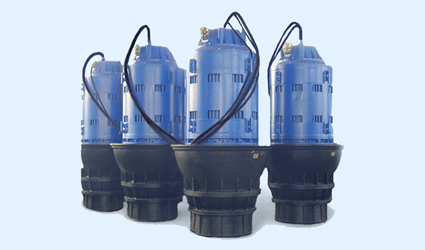
PRODUCTS
We adhere to independent innovation in science and technology and possess core technologies in the research and development, production and manufacturing of submersible pump products.
-

PROJECTS
Lanshen people are working hand in hand with friends from all walks of life to fulfill the corporate purpose of "creating a green environment and being responsible for the future", becoming the investment subject and partner of many projects, and constantly rewriting the history of China's water industry.
-

NEWS
Follow our updates in real time, from the known to the unknown, the exploration never stops
-
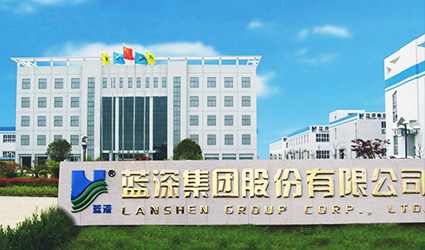
ABOUT
Founded in 1958, it is a national environmental protection enterprise and a high-tech enterprise. As a manufacturer of submersible sewage pumps and agitators

28
2026
-
04
Understanding Municipal Sewage Pumps: Essential Insights for Efficient Wastewater Management
The primary role of a municipal sewage pump is to move wastewater through piping networks, often against gravity. This is especially critical in areas where the terrain is not conducive to gravity flow. These pumps are engineered to handle various types of solids and liquids, including raw sewage, sludge, and other waste materials. Typically, they are submersible or dry-installed pumps, depending on the requirements of the sewage system.
Submersible pumps are designed to operate underwater, making them ideal for applications where the pump must be placed within the sewage itself. This design helps minimize the need for complex piping configurations and allows for more effective use of space. On the other hand, dry-installed pumps are located above the liquid level and are ideal for applications where accessibility for maintenance is a priority.
When selecting a municipal sewage pump, several factors need to be considered, including the flow rate, head height, and the type of waste being handled. The flow rate, measured in gallons per minute (GPM) or cubic meters per hour (m³/h), determines how much wastewater the pump can move. The head height is critical, as it represents the vertical distance the pump must push the sewage, which can vary significantly based on the layout of the sewer system.
Maintenance of municipal sewage pumps is essential for ensuring long-term reliability and performance. Regular inspection and cleaning of the pump components can prevent clogs and mechanical failures. It is also important to monitor the pump's operating conditions, such as temperature and vibration, to detect any irregularities that could signal potential issues before they become serious problems.
In conclusion, municipal sewage pumps play a fundamental role in maintaining urban sanitation and public health. Their ability to efficiently transport wastewater ensures that sewage is properly treated and disposed of, minimizing environmental impact. Understanding the functionality, selection criteria, and maintenance requirements of these pumps is crucial for anyone involved in wastewater management, whether for municipal authorities, engineering firms, or construction companies. By prioritizing the performance and upkeep of municipal sewage pumps, communities can ensure a cleaner, healthier living environment for their residents.
More information

Email: info@lanshengroup.com
Email:trade@lanshengroup.com
Tel:86-025-57507802/86-13814194132
Address: NO.305,East Xiongzhou Rd,Liuhe,Nanjing City,Jiangsu Province


Copyright©2024 Nanjing lanshen Pump Corp.LTD All rights reserved.